
You have never seen your own product page the way a customer does.
You are logged in, in the wrong country, on a desktop, with a seller badge and a cookie history. Every one of those changes what renders. The page you inspect each morning is the single view no shopper is ever shown.
Meanwhile a competitor repriced at 23:47, you lost the Buy Box at 01:12, and an unauthorised seller undercut your MAP by 17% at 03:26. By the stand-up, two of those had already resolved themselves.
Sampled continuously, not once a day.
Top-20 organic, volume weighted.
Median time from shelf change to alert.
Clean sessions, in region, without your account.
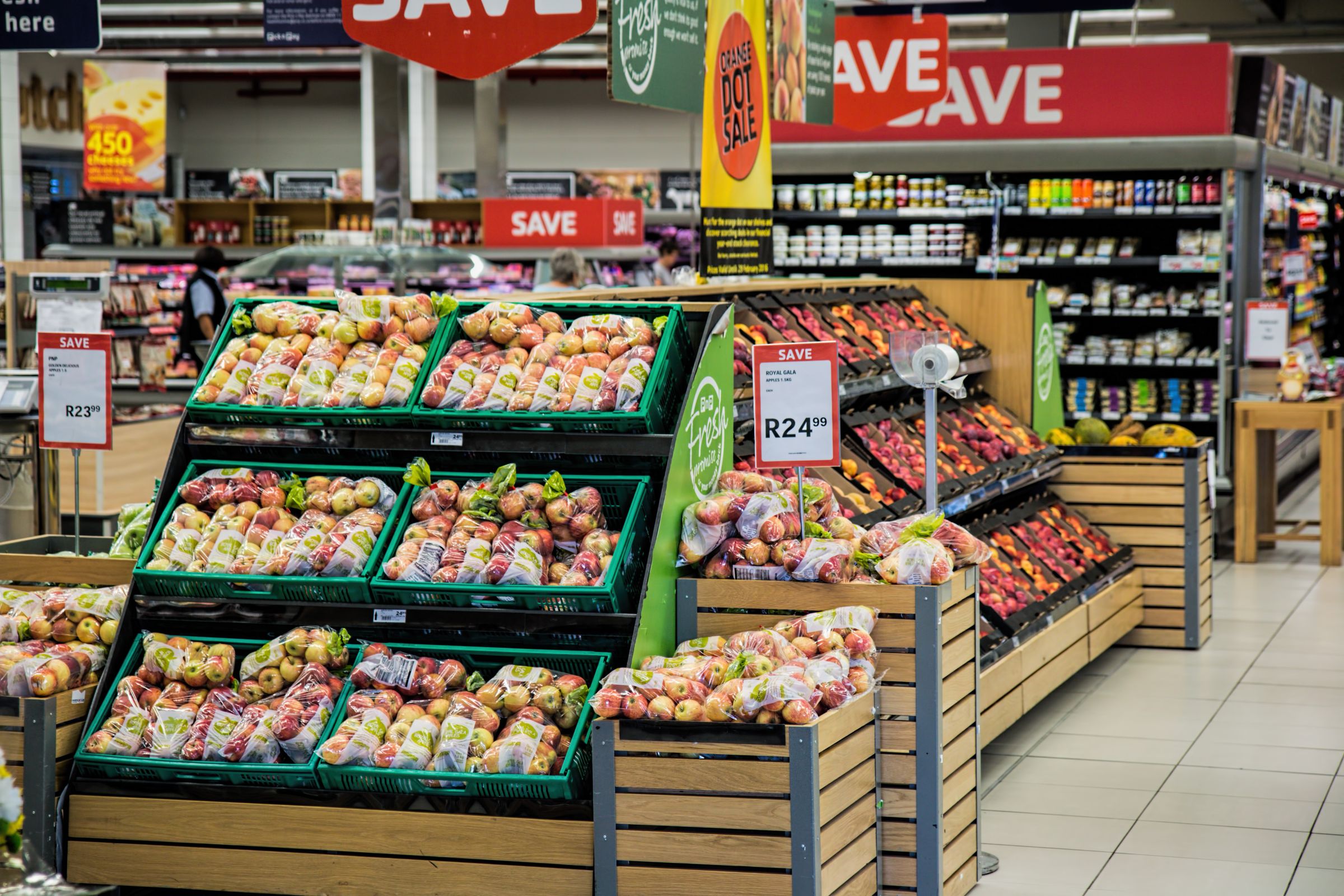
In a real store you could just walk the aisle.
A category manager in physical retail can stand in front of the shelf. They can see the facings, the competitor’s price card, the gap where a line has sold through, the promotional wobbler someone put up crookedly. Observation is free and immediate.
The digital shelf removed that entirely, and almost nobody replaced it. Most brands are running the largest part of their business on a surface they cannot directly observe.
Worse: they believe they can observe it, because they can open the page. That page is personalised, cached, region-specific, logged-in and desktop — four layers of distortion between what they see and what converts.
Six reasons your own view is not evidence:
You are logged in
As the brand or seller account you see merchandising, pricing and availability states no customer is shown. Your page is the one rendering nobody buys from.
The page is personalised
Recommendations, badges, delivery promises and even the Buy Box winner vary by shopper history, postcode and Prime status. There is no single canonical page to inspect.
It changes hourly
Third-party offers appear and vanish, retailers swap imagery, competitors reprice overnight. A screenshot from Tuesday describes a shelf that no longer exists.
Mobile is a different page
Roughly three-quarters of marketplace traffic is mobile, where bullet points truncate earlier, imagery crops differently, and A+ content may not render at all.
Retailers edit your content
Large retailers routinely substitute imagery, rewrite titles to house style, or merge your listing with another. You are not notified when this happens.
Absence is invisible
You cannot see the searches where you did not appear. A ranking you never held generates no data on your side at all.
Your category, as a league table.
Share of the top twenty organic results, weighted by keyword volume, against a tracked competitor set. Note that the same brand does not win everywhere.
Your brand
BrandX Audio
Harmonic Labs
NorthPeak
Others (34)
On Etsy you are second, and losing ground, while comfortably leading the other two. Channel-level averages hide exactly this — which is the argument for tracking the shelf per channel rather than as a brand-wide number.
Every competitor here can see your price. You are the only one who has to take their word for it.
Eight hours you were asleep for.
A single overnight window on one SKU across three channels. Two of these opened and closed before anyone arrived at work — which is precisely why they never appear in a weekly report.
BrandX Audio reduced list price on the competing SKU by $15.00 to $284.00.
Buy Box lost on SKU SP-X7-BLK. Winning offer is a third-party seller at $281.50.
Repricer held at $299.00 — floor margin rule engaged rather than matching.
Unauthorised seller listed SP-X7-BLK at $246.00 — 17.7% below MAP.
A+ content module reverted to an older revision. Comparison chart no longer rendering.
Listing entered its final week before the four-month expiry. No renewal scheduled.
Organic rank fell 1 → 4 for "noise cancelling headphones travel".
Buy Box recovered. Competing third-party offer went out of stock.
The 06:41 rank drop is the expensive one, and it is the only event here with no obvious cause on the page itself. It followed the 04:03 content reversion by two and a half hours. Without both timestamps in one feed, nobody connects them.
Six metrics, defined precisely enough to argue with.
Most shelf dashboards report numbers without saying how they were sampled, which makes them impossible to challenge and therefore impossible to trust.
Share of search
Your share of the top 20 organic results across a tracked keyword set, weighted by each keyword's estimated volume.
Measured from clean, un-personalised sessions per region — not from your own account.
Featured offer rate
The share of checks in which your offer holds the featured position — the Buy Box on Amazon, the top Best Match slot on eBay.
Etsy has no featured-offer mechanic, so it reports as "—" rather than as a number that would mean nothing.
MAP integrity
Any offer on your SKUs priced below your minimum advertised price, attributed to the seller and timestamped.
Evidence is retained for enforcement — screenshots, seller ID, offer history.
Content compliance
Field-level diff between what you published and what the retailer is currently rendering.
Catches silent retailer edits, reverted A+ modules and substituted imagery.
Availability
In-stock state per SKU per channel, including offers that are technically live but undeliverable to most postcodes.
A listing can be in stock and unbuyable. Both are tracked separately.
Review velocity
Rate and rating trajectory against the tracked competitor set, with flagging for sudden negative clusters.
A cluster usually signals a real defect or a wrong variant shipping, not sentiment.
The questions you’re about to ask.
We already get a weekly report from an agency. Isn't this the same thing?
It is the same metrics at a resolution that cannot act on them. Almost every event in the overnight feed above opened and closed inside a single day — a Buy Box lost at 01:12 and recovered at 07:02 does not appear in a weekly average at all, it simply becomes a slightly lower number nobody can explain. Weekly reporting is adequate for a quarterly review and useless for a repricer.
How do you get un-personalised data if the page is personalised?
Measurement runs from clean sessions per region, without your account, without cookie history, and from residential egress in the market being measured. That is why numbers here will not match what you see when you check the page yourself — yours is personalised and ours is deliberately not. Where a metric genuinely cannot be observed without a signed-in state, we say so rather than approximating it.
What can we actually do about an unauthorised seller at 3am?
Detection is not enforcement, and we would rather be clear about that. What the platform provides is the evidence package enforcement requires — seller identity, offer history, timestamped captures, the MAP delta — assembled automatically and ready to attach to a marketplace complaint or a legal notice. The action is yours. The eight hours of screenshotting that usually precedes it is not.
Does this cover categories where we don't sell direct?
Yes, and that is often where it matters most. Monitoring works from the public shelf, so it covers distributors and resellers listing your products without your involvement — including listings you did not know existed, built from your spec sheet with your imagery and someone else's copy. Brands routinely discover a double-digit number of these in the first scan.
How is this different from your competitor benchmarking product?
Digital shelf analytics tells you what is happening to your listings right now. Competitor benchmarking explains why, by comparing attribute completeness, content depth and specification coverage between you and the brands outranking you. Shelf analytics is the alarm; benchmarking is the diagnosis. Most teams start with the alarm.

Look at your shelf as a stranger.
Give us a brand name and a category. We will scan your live listings from clean, un-personalised sessions in market and send back what a customer actually sees — including the unauthorised sellers and the retailer edits you did not know about.
Public data only · No account access · Scan in five working days